About Samurai Guide Sho
Sho worked for JR East for 23 years.
He spent his first year working at Mitaka Station on the JR Chuo Line, followed by 22 years as a conductor on the JR Chuo Line.
For many years, he supported passengers traveling on the Chuo Line as part of their everyday lives.
Today, after leaving JR East, he works independently as Samurai Guide Sho, guiding journeys that begin on the railway where he spent 22 years as a conductor.
He once supported passengers on this line as a conductor. Today, he travels it with you as your guide.
Here, you are the “passenger.”
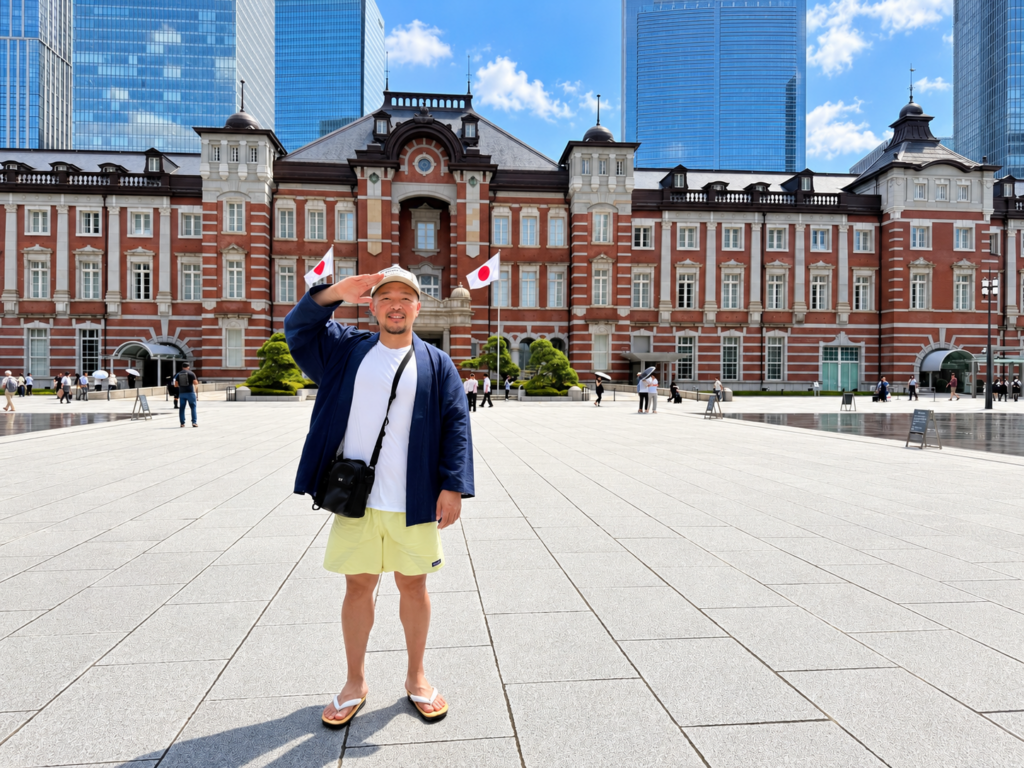
From Conductor to Samurai Guide
During 22 years as a conductor, Sho saw much more than trains.
He saw people commuting to work, going to school, traveling with their families, and setting off on journeys of their own.
Every day, the Chuo Line carried countless people and countless stories.
When Sho left his job as a conductor, his connection with the railway he knew best did not end.
His role simply changed.
He once supported journeys from inside the train.
Today, he boards the same Chuo Line with you and travels toward mountains, local neighborhoods, food, craft beer, and everyday life in Tokyo.
The experience does not begin only after you reach the destination.
The journey begins when you meet Sho and board the train together.
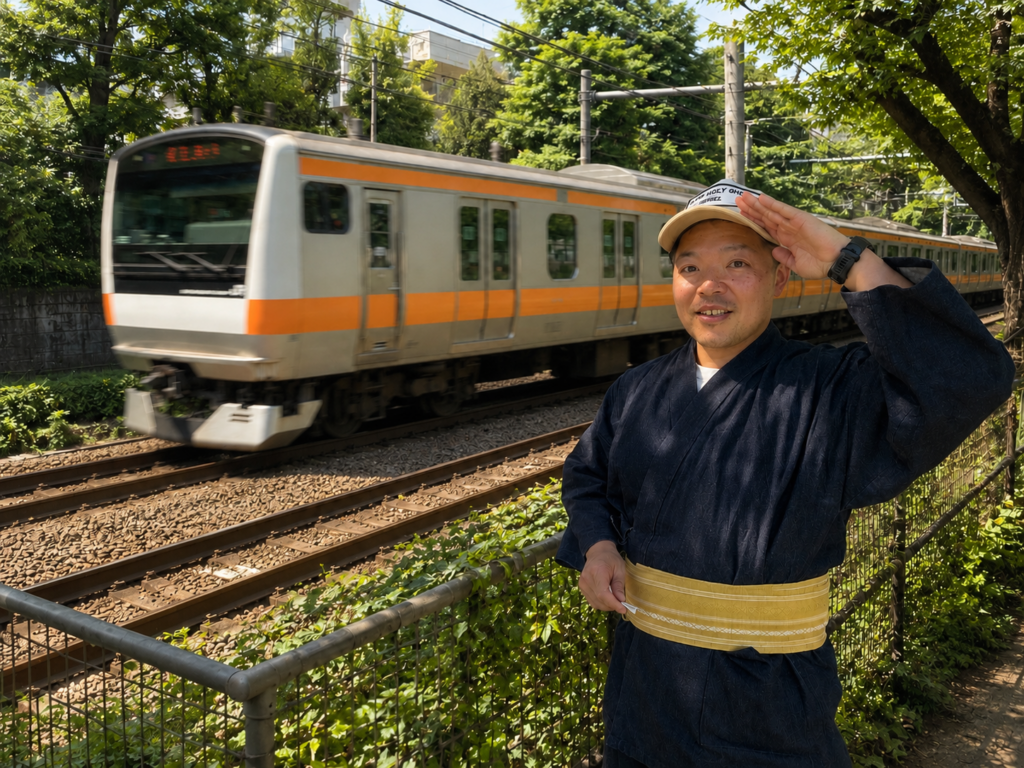
Why “Samurai Guide”?
The name Samurai Guide is not simply about dressing like a samurai.
After leaving JR East, where he had worked for 23 years, Sho also left behind his uniform and corporate title.
He chose to guide travelers independently, under his own name and responsibility.
In that sense, there is something of a modern ronin in the path he has chosen: leaving an organization behind and walking his own road.
During the Edo period, samurai without a lord or master were known as ronin. Here, “modern ronin” refers to that same idea of stepping away from an organization and choosing your own path under your own responsibility.
But leaving the uniform did not mean leaving everything he learned as a conductor.
Watching the passengers around him.
Thinking a little ahead.
Stepping in when help is needed.
And keeping a journey moving safely.
Sho carried those habits with him into his new role and now travels the Chuo Line in his own way.
That is Samurai Guide Sho.
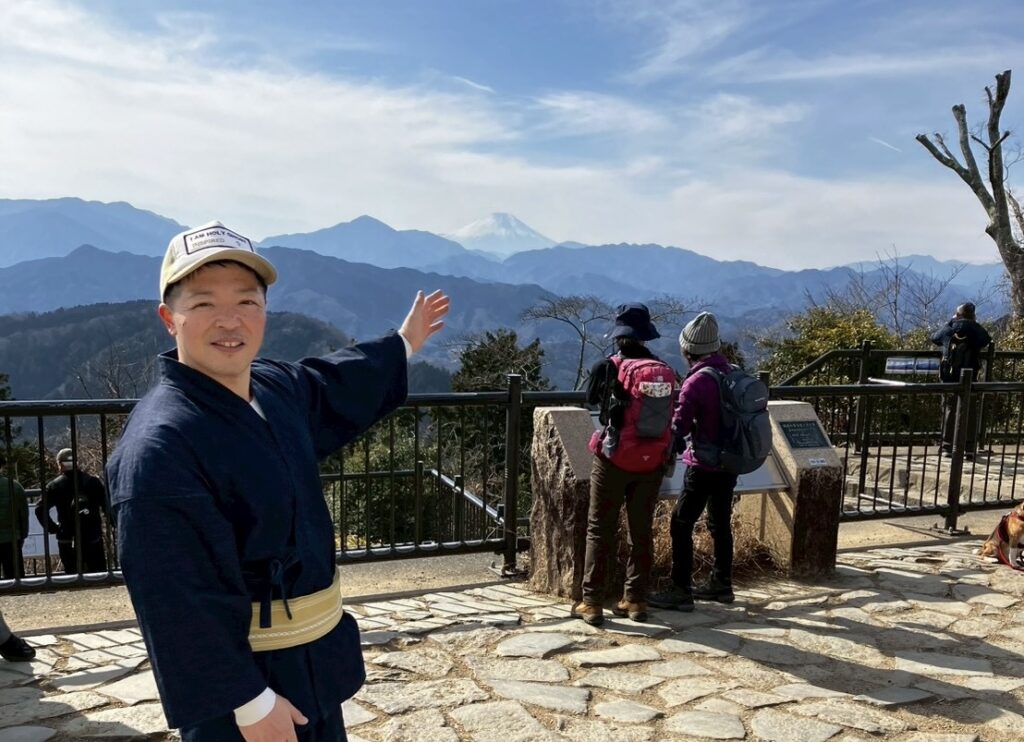
Why the JR Chuo Line?
Sho did not choose the Chuo Line simply because it is convenient for sightseeing.
He chose it because he spent his first year working at Mitaka Station on the JR Chuo Line, followed by 22 years working as a conductor on the same line.
Its stations, trains, and neighborhoods are places he came to know over many years.
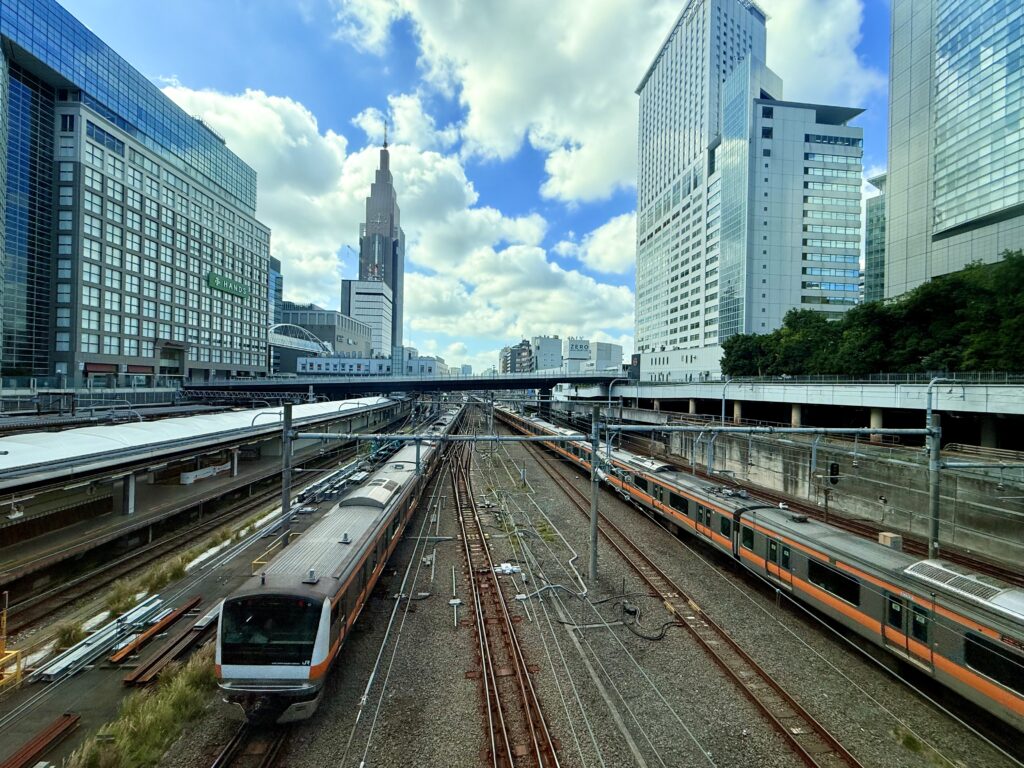
As the train travels west from central Tokyo, the view outside the window changes, the neighborhoods change, and even the pace of the journey begins to feel different.
That transition is part of the experience.
On the same railway where Sho once supported passengers as a conductor, he now guides your journey.
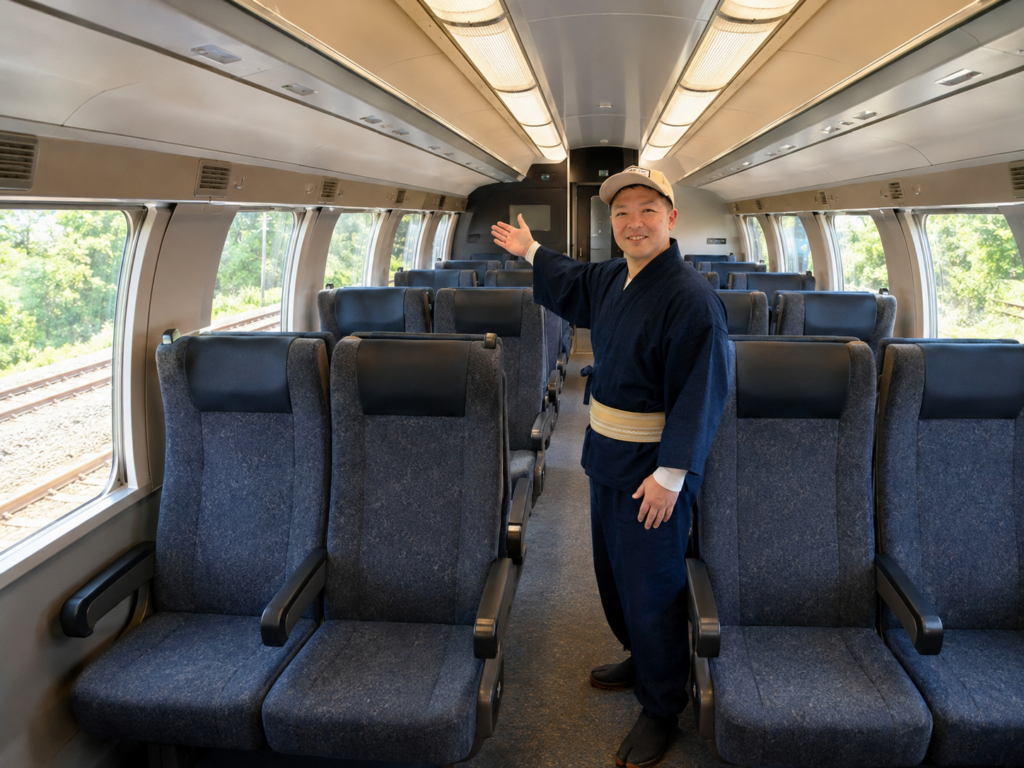
A Conductor’s Style of Guiding
A conductor does not spend the entire journey standing in front of the passengers and talking.
Much of the job is about watching what is happening, staying aware, and stepping in when needed.
That approach still shapes the way Sho guides today.
He will explain things when they are useful, but he does not want to fill every moment with commentary.
When you want to talk, you can talk.
When you want to watch the scenery quietly, that time is yours.
The goal is not to spend the day simply following a guide.
It is still your journey.
Small Tours, Personal Pace
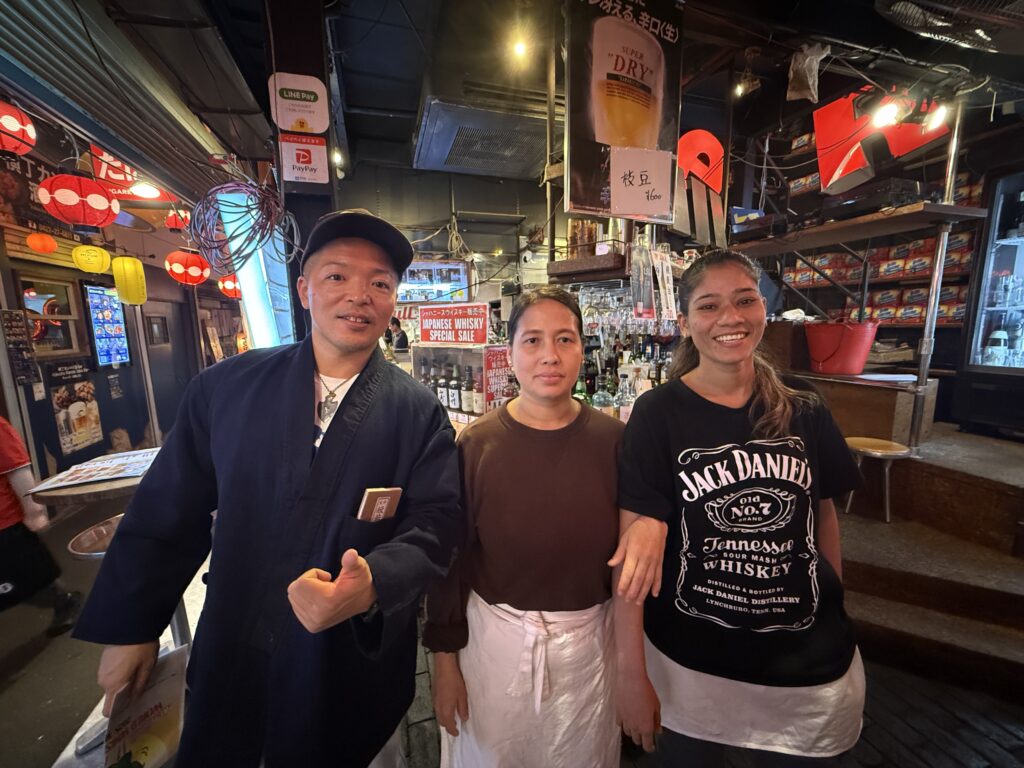
Samurai Guide Sho tours are intentionally kept small.
The goal is not to move a large group efficiently, but to shape the day around the passengers who are actually there.
Walking pace, breaks, meals, how much you drink, or a place that catches your interest can all affect the rhythm of the journey.
Following the schedule perfectly matters less than creating a day that feels right for the people taking part.
On trains, in small local establishments, on mountain trails, and in parks, some experiences simply work better with fewer people.
Sho personally guides every Samurai Guide Sho tour and takes responsibility for each journey.
Independent Guide
Samurai Guide Sho is an independent guide service and is not affiliated with JR East.
References to JR East and the JR Chuo Line describe Sho’s own professional background and experience.
All current tours are independently created and operated by Sho.